


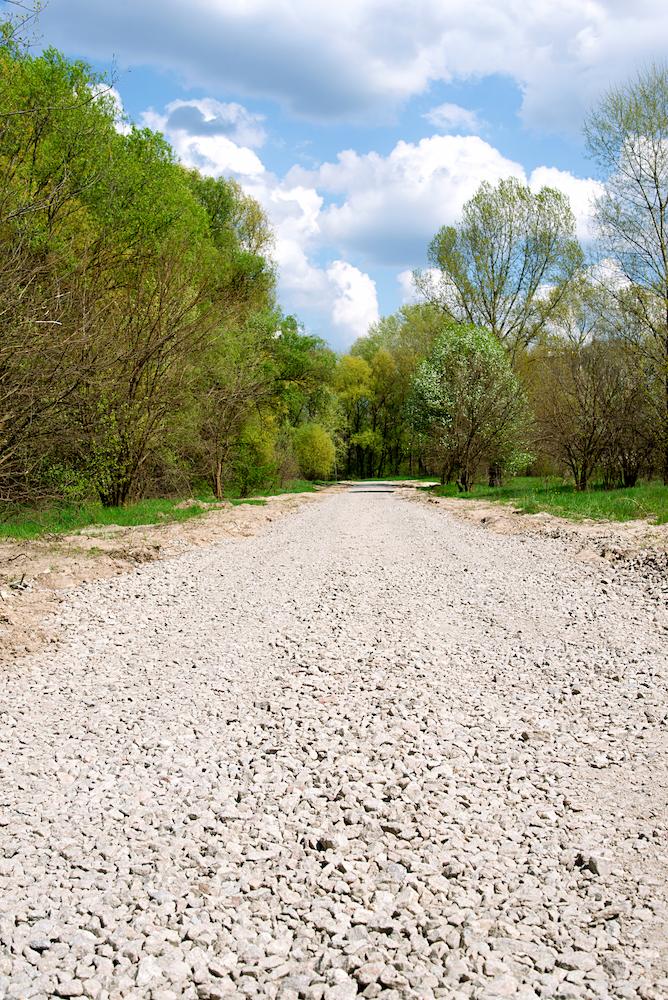
31 Aug Michigan Road Base Stabilization
Building and maintaining unpaved roads in Michigan is a constant challenge. Gravel and aggregate surfaces take a beating from freeze-thaw cycles, heavy rain, and steady traffic, and that wear starts at the base long before potholes or ruts show up on top. Road base stabilization addresses the problem at its source, helping aggregate materials perform better and hold up longer under real-world conditions. Calcium chloride is a proven tool for Michigan Road Base Stabilization.
It helps retain moisture and improve compaction, giving road crews a stronger, more dependable driving surface. Great Lakes Chloride supplies the calcium chloride products Michigan roads need. Call us at 574-267-2286 or email info@glchloride.com to get started.
Why Michigan Roads Need a Stable Base
Michigan’s weather doesn’t do unpaved roads any favors. Between harsh winters, wet springs, and dry summer stretches, gravel and aggregate surfaces face constant pressure, and that pressure adds up over time. This is exactly why Michigan Road Base Stabilization matters for anyone responsible for maintaining these roads.
A few conditions in particular put the most strain on gravel and aggregate surfaces:
- Freeze-thaw cycles: Repeated freezing and thawing can cause movement within the road base and contribute to uneven surfaces.
- Heavy rain and excess moisture: Too much water may soften the base and make it more susceptible to rutting and displacement.
- Hot, dry conditions: Extended dry periods allow moisture to leave the road, contributing to loose aggregate and dust.
- Regular traffic: Vehicle traffic gradually shifts road material, particularly when the base isn’t sufficiently compacted.
When left unaddressed, these conditions lead to rutting, potholes, washboarding, loose aggregate, and uneven surfaces. That’s why a properly stabilized base matters as much as anything on the road’s surface.
How Calcium Chloride Improves Michigan Road Base Stabilization
Calcium chloride is hygroscopic, meaning it attracts and holds onto moisture from the surrounding air and ground. That property makes it valuable for road base stabilization, since proper moisture levels are essential during compaction.
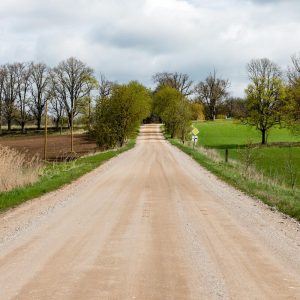 Without enough moisture, aggregate particles don’t bind together as effectively, and the base is left more vulnerable to the conditions covered above. Here’s how calcium chloride addresses that at each stage of the process:
- Better Moisture Retention
Calcium chloride draws moisture in and holds it within the road base, helping maintain the conditions needed for effective, long-lasting compaction. - Improved Compaction
When moisture levels are right, aggregate particles settle together more tightly. This creates a denser base that better resists shifting under traffic and weather. - A More Cohesive Surface
By keeping fine particles bound within the road material instead of drying out and separating, calcium chloride helps reduce loose aggregate and keeps the surface more consistent over time.
Where Michigan Road Base Stabilization Makes a Difference
Road base stabilization isn’t limited to one type of road or surface. Calcium chloride treatment works across a wide range of aggregate roads throughout the state, including:
- County and township gravel roads
- Private roads and drives
- Construction and industrial access roads
- Haul roads
- Parking and staging areas
- Other high-traffic aggregate surfaces
Treatment needs aren’t the same from one project to the next. Traffic volume, aggregate composition, weather, and the condition of the existing road all factor into what a given surface actually needs.
Getting More from Your Road Maintenance Budget
Michigan Road Base Stabilization isn’t just about the road itself. It’s about how far your maintenance budget goes. A well-compacted base tends to hold up longer, which means less frequent grading and less need to keep hauling in additional aggregate.
When road material stays where it belongs and the surface stays more consistent, crews can spend their time and resources on other priorities instead of returning to the same stretch of road again and again. Addressing the underlying cause of recurring problems is generally a better use of resources than repeatedly patching the surface, and it tends to hold up better over time too.
Choose Great Lakes Chloride for Michigan Road Base Stabilization
Great Lakes Chloride has the experience to help you get Michigan Road Base Stabilization right. We work with customers to determine the right calcium chloride product and application for their needs, taking into account the specifics of each road and site. Whether you’re managing a township gravel road or a busy construction access road, we can help you find the right approach.
Contact Great Lakes Chloride today to discuss your project. Call us at 574-267-2286 or email info@glchloride.com to get started.