


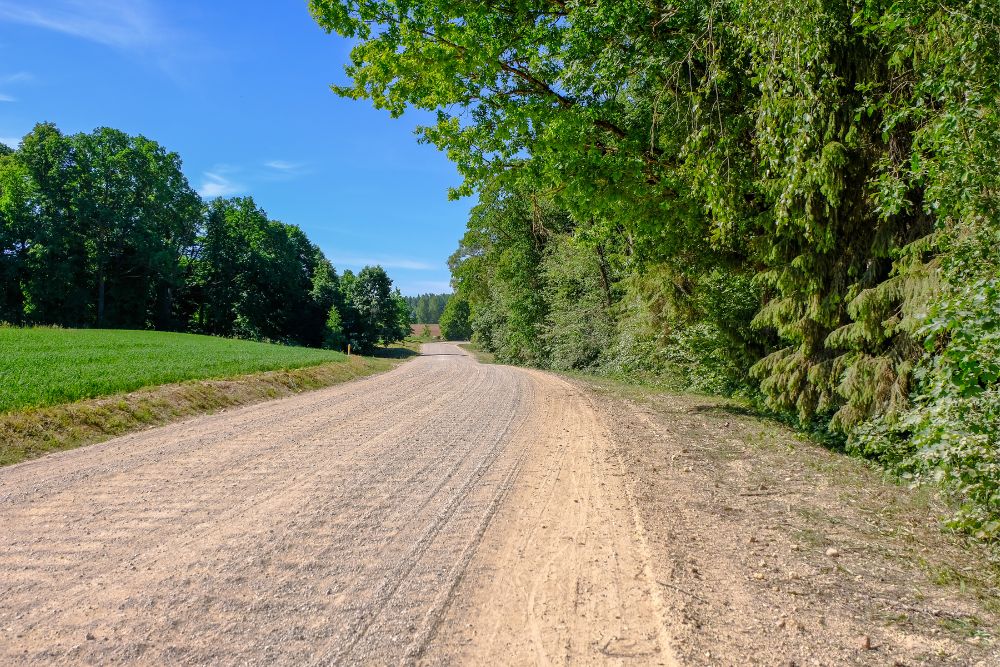
30 Jun Ohio Gravel Road Erosion Control
If you maintain a gravel road in Ohio, you already know how fast things can go downhill. Heavy rain washes out fine material, freeze-thaw cycles loosen what’s left, and traffic does the rest. Before long you’re looking at potholes, washboarding, and a road that needs constant grading just to stay passable.
Whether you’re a property owner, a municipality, or a contractor responsible for keeping roads in shape, you need a fix that lasts longer than the next rainstorm. Calcium chloride is one of the most reliable tools for Ohio Gravel Road Erosion Control, helping bind loose material and hold moisture so the surface stays stable.
Getting the right product and guidance matters just as much as the treatment itself, and that’s where Great Lakes Chloride comes in. We’ve supplied calcium chloride to customers across Ohio and the surrounding region for years. Call us at 574-267-2286 or info@glchloride.com.
What Causes Gravel Road Erosion in Ohio?
Ohio’s weather and traffic patterns are a tough combination for gravel roads. Understanding what’s breaking your road down is the first step in fixing it for good, and it’s the foundation of any real Ohio Gravel Road Erosion Control plan.
Heavy Rainfall and Runoff
Ohio sees its share of heavy downpours, and gravel roads take the hit directly. Rain washes away the fine particles that hold the surface together, leaving behind loose, coarse gravel that shifts under tires.
Freeze-Thaw Cycles
Winters here don’t stay cold in one straight shot. The freeze-thaw pattern common across Ohio repeatedly expands and contracts the road base, loosening compacted gravel and creating weak spots that turn into potholes.
Traffic Displacement
Every vehicle that drives over a gravel road pushes material outward. Over time, that displacement creates ruts down the center and piles gravel along the edges, leaving less material where you actually need it.
Poor Drainage
 When water has nowhere to go, it sits. Standing water softens the road base and accelerates erosion, especially in low spots or areas with inadequate ditching.
Ohio gravel road erosion isn’t just a cosmetic problem. Once erosion sets in, you’re looking at higher maintenance costs, more frequent grading, and real safety concerns for anyone driving the road.
How Calcium Chloride Controls Erosion and Stabilizes Gravel
Calcium chloride works by pulling moisture straight from the air, a property known as hygroscopy. That moisture keeps the road surface slightly damp, which helps fine particles bind together instead of drying out and blowing or washing away. The result is a tighter, more cohesive surface that resists the kind of breakdown untreated gravel roads go through every season.
This approach does more than just patch the problem. Roads treated with calcium chloride see less dust, better compaction, and longer stretches between grading. Compare that to simply dumping more gravel onto a road that’s already struggling. New material on top of an unstable base just means you’re back to square one once the next storm rolls through. Calcium chloride treats the underlying issue, which is why it’s become a go-to method for Ohio Gravel Road Erosion Control.
When and How to Apply Calcium Chloride for Best Results
Timing and technique matter just as much as the product itself. Here’s what to keep in mind when using calcium chloride for gravel road erosion control:
- Apply after grading, when the surface is freshly shaped and ready to absorb treatment
- Treat during moderate weather rather than during heavy rain, which can wash away product before it has a chance to work
- Use an application rate matched to your traffic volume and current road condition
- Reapply periodically to keep the road performing as conditions change throughout the year
Getting the timing right isn’t just a technical detail; it directly determines how well your road resists erosion and how long you go before needing to treat it again. A road treated at the wrong time or at the wrong rate won’t deliver the same erosion control results, so it pays to get this part right from the start.
Why Choose Great Lakes Chloride for Ohio Gravel Road Erosion Control
Ohio’s roads face a specific mix of rainfall, freeze-thaw activity, and traffic that not every supplier understands firsthand. Great Lakes Chloride has worked with property owners, contractors, and municipalities across the region long enough to know what actually holds up here.
We offer a consistent, reliable supply so you’re never stuck waiting when you need product. Our team can walk you through application rates and timing based on your specific road, not a generic formula. And our results speak for themselves. Customers across Ohio rely on us because the roads we treat stay stable longer and need less constant upkeep. When erosion control needs to actually work, that track record matters.
Let Us Help with Ohio Gravel Road Erosion Control
Repairing the same potholes year after year costs more than fixing the problem once. Calcium chloride gives you a way to stabilize your gravel road instead of constantly patching the damage erosion leaves behind.
If you’re ready to talk about your road’s conditions or want more information on our products, reach out to Great Lakes Chloride. Call 574-267-2286 or email info@glchloride.com, and let’s find the right Ohio Gravel Road Erosion Control solution for you.