


29 May Ohio Unpaved Road Stabilization
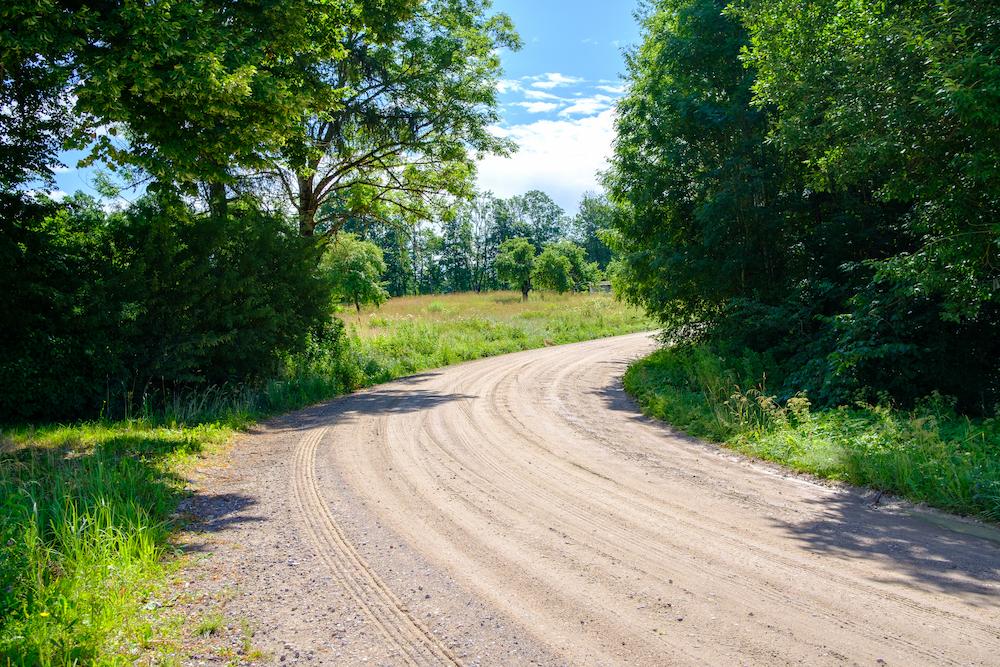
Gravel and dirt roads throughout Ohio take a beating year-round. Between heavy vehicle traffic, spring rains, summer heat, and freeze-thaw cycles in colder months, unpaved roads face constant pressure that leads to dust clouds, washboarding, loose aggregate, and potholes that seem to reappear no matter how often they’re graded. Ohio Unpaved Road Stabilization is a practical approach to reducing these problems and getting more life out of the roads you manage. Calcium chloride is one of the most widely used products for this purpose.
If you’re looking for product information or need help placing an order, contact Great Lakes Chloride at 574-267-2286 or info@glchloride.com.
Why Unpaved Roads Break Down in Ohio
Ohio Unpaved Road Stabilization works best when you understand what’s working against your road in the first place. Several factors contribute to surface deterioration on Ohio’s gravel and dirt roads, and unpaved road stabilization addresses them more effectively when the underlying causes are clear.
Traffic and Surface Movement
Every vehicle that travels an unpaved road shifts the aggregate beneath its tires. Over time, repeated traffic causes fine particles to migrate, aggregate to redistribute, and the road surface to develop ruts, soft spots, and the familiar washboard pattern. Heavier loads and higher speeds accelerate the process.
Rainfall and Drainage Issues
 Ohio receives significant rainfall throughout the year, and water is one of the biggest contributors to road surface failure. When water infiltrates the road base, it weakens the material holding everything together. Poor drainage keeps that moisture in place longer, accelerating erosion and softening the surface.
Dry Conditions and Dust Loss
When roads dry out, fine particles become airborne. Those particles are part of what holds a road surface together, and once they leave the surface, the remaining aggregate becomes looser and less stable. Dust loss is both a maintenance problem and a safety concern for nearby properties and residents.
How Ohio Unpaved Road Stabilization Works
Stabilization targets the cycle of drying, particle loss, and surface breakdown that causes most of the problems described above. When a road holds moisture more effectively, aggregate stays compacted, dust is reduced, and the surface holds up better under traffic. Here’s what Ohio Unpaved Road Stabilization is designed to accomplish:
- Holding Surface Moisture: Stabilization products slow the rate at which a road surface dries out. This keeps fine particles in place rather than letting them become airborne, which is where aggregate loss and dust problems begin.
- Improving Aggregate Binding: Adequate moisture acts as a natural binder. When road materials stay sufficiently moist, aggregate particles remain compacted and in contact with each other, making the surface more resistant to displacement from traffic.
- Reducing Maintenance Frequency: A stabilized unpaved road typically needs less frequent grading, reworking, and aggregate replacement. That translates to lower ongoing maintenance costs and less disruption for the people who use the road regularly.
Why Calcium Chloride Is Commonly Used for Road Stabilization
Calcium chloride has a specific property that makes it well suited for unpaved road stabilization: it’s hygroscopic, meaning it actively draws moisture from the surrounding air rather than simply retaining what’s already there. That distinction matters when conditions turn dry. Let’s take a closer look at the benefits of using calcium chloride to stabilize unpaved roads in Ohio:
Moisture Attraction and Retention
Most road surfaces lose moisture passively through evaporation. Calcium chloride slows that process and pulls additional humidity from the air to partially offset it. During Ohio’s drier summer months, when unpaved roads can deteriorate quickly, this ongoing moisture attraction helps surfaces stay stable longer between applications.
Dust Control Benefits
A road surface that holds its moisture holds its fine particles. Because calcium chloride keeps the surface from drying out, the material that would otherwise become airborne dust stays bound in place. This benefits road users, adjacent landowners, and anyone living or working near the corridor.
Long-Term Road Surface Performance
Calcium chloride’s moisture retention properties help protect the road base between maintenance cycles. Treated roads typically show less surface degradation over a season, which means the underlying structure stays intact longer and less rehabilitation is needed overall.
We Can Help with Ohio Unpaved Road Stabilization
Great Lakes Chloride supplies calcium chloride products to municipalities, road contractors, property owners, and road managers throughout Ohio.
We offer dependable product availability, consistent quality, and practical guidance to help you get the results you’re after. Please note that we supply product only and do not provide road construction, grading, or application services.
If you’re ready to get started with Ohio Unpaved Road Stabilization or just want to learn more about your options, reach out to our team directly by calling 574-267-2286 or emailing info@glchloride.com.